Industry insights
Field Operations
How Real-Time Inventory Sync Stops Revenue Leakage
25 Sep 2026

Written By Nikolaj Gaba
Share to
About the study
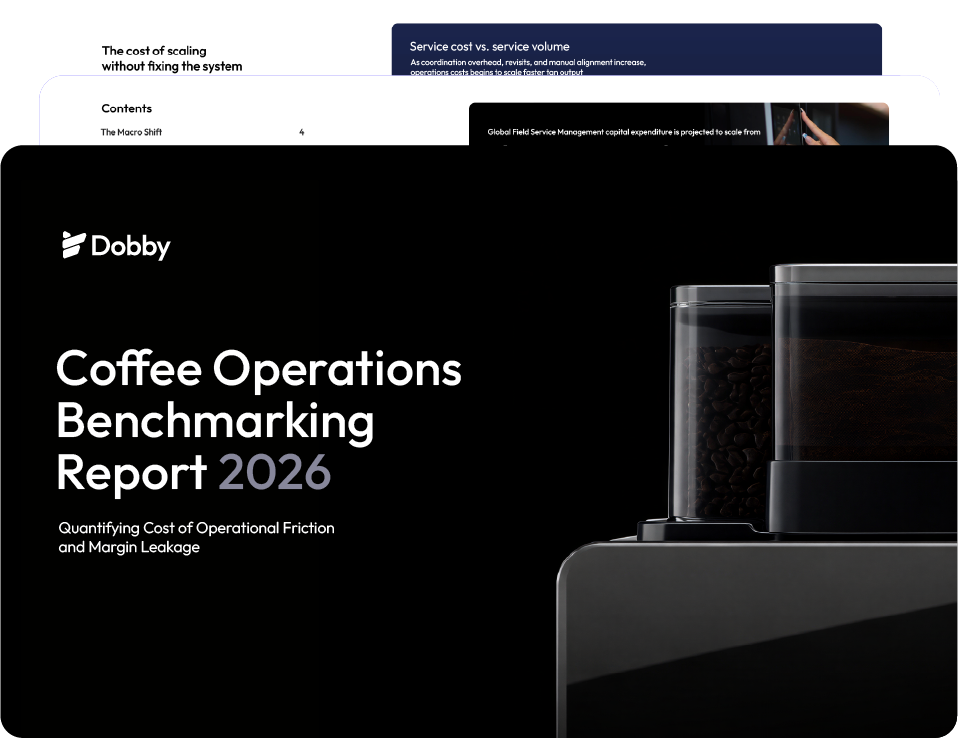
This article draws key data from the 2026 Coffee Operations Benchmarking Report, mapping how real-time van inventory sync eliminates ghost stock, unbilled parts, and back-office reconciliation drag.
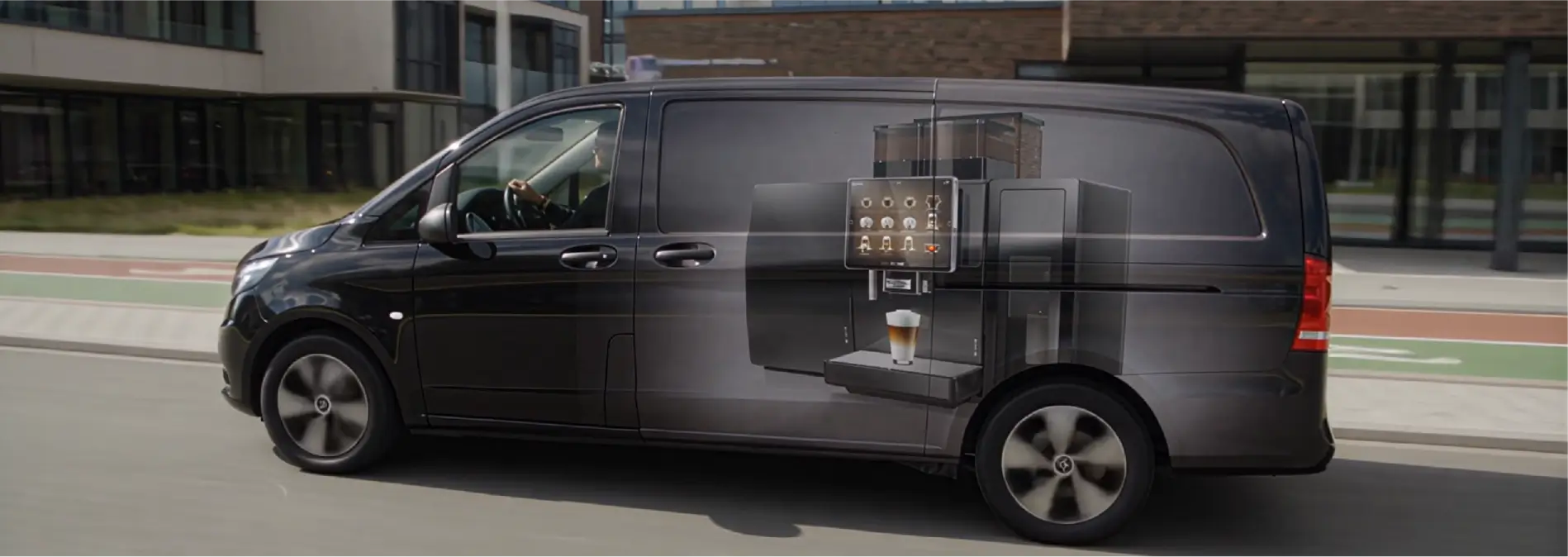
In high-volume commercial coffee fleet operations, mobile van stock represents a massive pool of working capital. Every truck carries thousands of dollars in high-value components, descaling kits, water filtration units, group heads, and replacement pumps.
Yet for many fleet operators, tracking what happens to those parts once a technician leaves the warehouse remains a total black box.
When field technicians use parts without immediately logging them to a service ticket, margins erode quietly. Over the course of a year, unbilled inventory and lost spare parts can drain tens of thousands of dollars from an enterprise coffee fleet.
Plugging this revenue leak requires closing the loop between physical van stock and back-office accounting in real time.
The Hidden Costs of Van Stock Blindspots
Traditional inventory management relies on manual stock counts, paper receipts, or end-of-week reconciliations. This disconnected approach creates three major operational problems:
1. Unbilled Parts Usage:
Technicians focused on fixing a machine quickly often forget to manually record low-cost consumables or emergency replacement parts. Those unbilled items directly eat into job margins.
2. Ghost Stock & Inventory Inaccuracy:
When warehouse stock doesn’t match actual van levels, dispatchers schedule jobs for technicians who lack the necessary parts. This leads to missed SLAs and costly secondary truck rolls.
3. Manual Administrative Friction:
Back-office teams spend hours cross-referencing field reports with ERP invoices, chasing down missing line items, and delaying the billing cycle.
3 Steps to Achieving Closed-Loop Field Inventory
To eliminate parts leakage and protect operating margins, enterprise coffee fleets must integrate inventory control directly into the technician’s daily workflow.
1. Digital Van Stock Audits
Give technicians a mobile-first interface that reflects their exact van inventory in real time. Before hitting the road, a fast digital check-in confirms that critical parts are present, preventing dispatch misalignments before the first job begins.
1. Digital Van Stock Audits
Give technicians a mobile-first interface that reflects their exact van inventory in real time. Before hitting the road, a fast digital check-in confirms that critical parts are present, preventing dispatch misalignments before the first job begins.
2. One-Tap Consumption at the Asset
When a technician replaces a part on a coffee machine, selecting that component in the mobile ticket app should instantly perform two automated actions:
Deduct the exact SKU from the technician’s van stock.
Append the item to the customer’s digital job summary for billing.
3. Automated Invoicing Sync
By connecting field inventory usage directly to your ERP or billing system, invoice creation happens automatically the moment a job is completed. Eliminating manual re-entry ensures 100% billing accuracy and drastically cuts invoice processing time.
Turn Inventory Control into Margin Protection
Every spare part carried in a service van should directly generate revenue or satisfy a warranty SLA. By removing manual logging and unifying van inventory with real-time billing, coffee fleet operators can reclaim lost revenue, boost first-time fix rates, and run a leaner, more profitable operation.